Self-care does not have to mean expensive products, elaborate routines, or a full day at a spa. Often, the most helpful habits are simple activities that help you slow down, enjoy the present moment, and make your home feel more comfortable.
Whether you have ten minutes or a free afternoon, there are plenty of low-cost ways to care for your energy, mood, and everyday well-being. Here are practical ideas you can try using items you already have at home.
Create a Calming Corner
Choose a small area where you can sit, read, stretch, or simply take a break. This does not need to be an entire room. A comfortable chair, a spot on the couch, or a corner of your bedroom can work well.
Make the space inviting by adding a few simple touches:
– A blanket or pillow
– A favorite book or magazine
– A small plant or vase
– Soft lighting
– A notebook and pen
– A cup or bottle for water
Keep the area uncluttered so it feels different from a busy workspace or storage spot. Even a few minutes in this corner can create a helpful boundary between activity and rest.
Try a Screen-Free Break
Screens are useful, but constant notifications and scrolling can make it difficult to feel refreshed. Set aside a short period without your phone, television, or computer.
Start with 10 or 15 minutes. During that time, you might:
– Sit by a window
– Listen to quiet music
– Look through a photo album
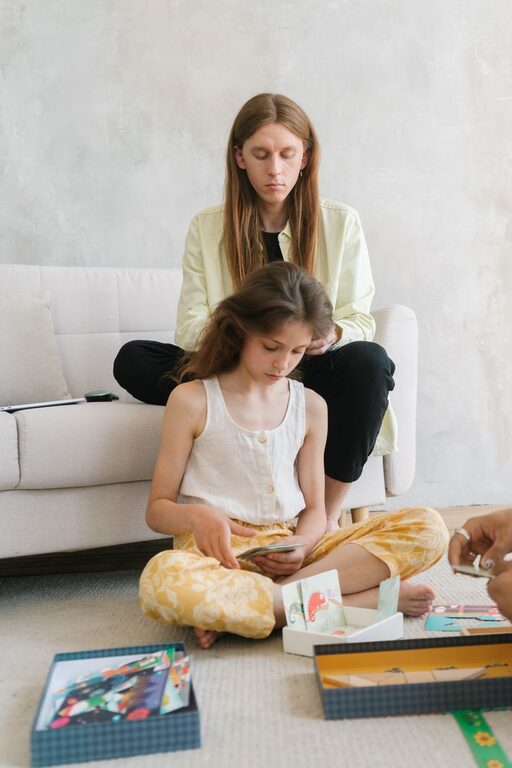
– Do a puzzle
– Enjoy a drink slowly
– Watch the clouds or observe your surroundings
If turning off your phone feels difficult, place it in another room or use a simple timer. A brief screen-free break can help the day feel less hurried.
Make a Simple Homemade Drink
Preparing a warm or refreshing drink can become a small ritual. Use ingredients you already have, such as tea, lemon, mint, fruit, or sparkling water.
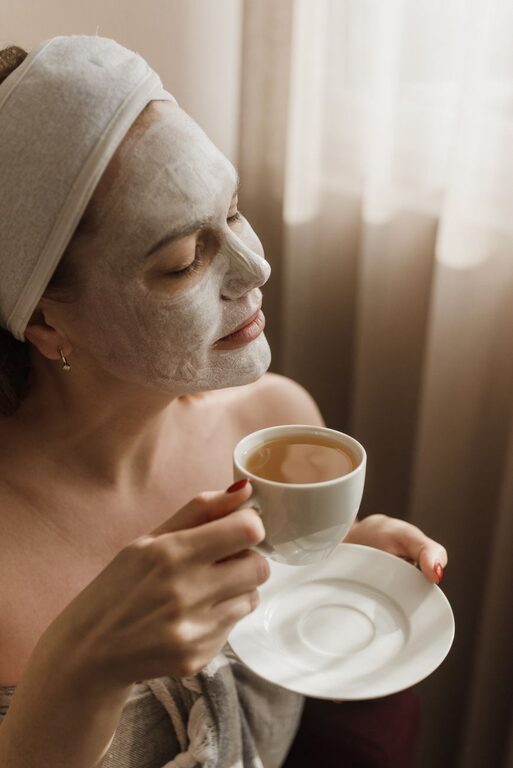
Try serving your drink in a favorite mug or glass. Sit down while enjoying it rather than drinking it while completing another task. Paying attention to the temperature, aroma, and flavor can turn an ordinary beverage into a relaxing moment.
You can also prepare a pitcher of fruit-infused water by adding slices of citrus, berries, cucumber, or herbs. Keep it in the refrigerator so you have an inviting drink ready during the day.
Take a Relaxing Shower or Bath
A shower or bath can feel more special with a few simple changes. Tidy the bathroom first, lower the lights if possible, and play quiet music. Use a clean towel and a product you already enjoy.
You do not need expensive bath items. A favorite soap, a homemade playlist, or a few minutes of uninterrupted quiet may be enough to make the experience feel restorative.
Afterward, put on comfortable clothes and give yourself a few extra minutes before returning to chores or work.
Practice Gentle Movement
Movement can be a form of self-care when it is comfortable and enjoyable. You do not need equipment or a gym membership. Try activities such as:
– Walking around your home
– Stretching while listening to music
– Dancing to a few favorite songs
– Following a free beginner movement video
– Practicing simple balance exercises
– Doing light household tasks at an easy pace
Choose something that feels pleasant rather than treating it as a challenge. Even a short session can help break up a long period of sitting and bring more energy to your day.
Cook or Prepare Something You Enjoy
Self-care can include making food that is satisfying and easy to prepare. Look through your kitchen and choose a meal, snack, or dessert that you genuinely enjoy.
To make the process more relaxing:
- Pick a recipe with a manageable number of steps.
- Gather the ingredients before you begin.
- Play music or a podcast in the background.
- Let yourself focus on the process instead of rushing.
- Serve the food on a plate or bowl you like.
If cooking feels like too much work, prepare a simple snack plate with fruit, crackers, cheese, nuts, or vegetables. The goal is to create a pleasant moment, not a perfect meal.
Refresh One Small Area
Cleaning can become overwhelming when you think about the entire home. Instead, choose one small area, such as a nightstand, desk drawer, shelf, or bathroom counter.
Set a timer for 10 minutes and focus only on that space. Remove items that belong elsewhere, wipe the surface, and return the things you use most often.
A small improvement can make a room feel calmer without turning self-care into a long cleaning project. Stop when the timer ends if you want to keep the task light.
Enjoy a Low-Cost Creative Activity
Creative activities can provide a break from routine, even if you do not consider yourself artistic. Use materials you already have and focus on experimenting rather than producing something perfect.
Ideas include:
– Drawing patterns
– Coloring
– Writing a short story
– Making a collage from old magazines
– Rearranging photos in an album
– Trying a new recipe
– Creating a playlist
– Decorating a notebook
– Learning a simple craft
You can also revisit an old hobby that you enjoyed in the past. Spending time on something just because it is interesting can be a meaningful form of self-care.
Write in a Journal
Writing can help you pause and organize your thoughts. You do not need a special journal; any notebook or piece of paper will work.
Try one of these prompts:
– What made today a little easier?
– What is taking up most of my attention?
– What do I want to remember about this week?
– What is one small thing I can look forward to?
– What would make tomorrow feel more manageable?
You can write for five minutes without editing or judging your words. If writing about your day does not appeal to you, make a simple list of ideas, goals, memories, or things you appreciate.
Plan a Gentle Evening Routine
An evening routine can make the end of the day feel more intentional. Choose two or three calming activities and repeat them in a comfortable order.
For example:
– Tidy one small area
– Prepare a drink
– Take a warm shower
– Read a few pages
– Write tomorrow’s top priorities
– Listen to quiet music
– Turn off bright lights
Keep the routine realistic. A short routine that you enjoy is more useful than a long list of tasks that feels like another obligation.
Make Self-Care Easy to Repeat
The best low-cost self-care ideas are the ones that fit naturally into your life. Start with one small activity and notice how it makes you feel. You might create a weekly self-care plan with a few options for different types of days.
For example, choose:
– A five-minute option, such as breathing quietly by a window
– A 15-minute option, such as journaling or stretching
– A longer option, such as cooking, crafting, or taking a screen-free afternoon
Self-care does not need to be complicated or expensive. Small moments of rest, creativity, comfort, and connection can make ordinary days feel more balanced. Use what you already have, choose activities you genuinely enjoy, and give yourself permission to pause.
About the Author