Why Plants Make a Home Feel Fresh
Plants are one of the easiest ways to refresh your home. They add color, texture, and natural shapes to rooms that may otherwise feel plain. Even a single plant can make a noticeable difference on a shelf, table, or empty corner.
Beyond decoration, plants can help create a calmer and more welcoming atmosphere. Their natural colors soften hard surfaces, while different leaf shapes add visual interest. You do not need a large collection or a perfect interior design plan. A few well-chosen plants can help your space feel more comfortable and complete.
The key is to choose plants that suit your home, your schedule, and the amount of light available.
Start by Looking at Your Space
Before buying plants, take a quick tour of your home. Notice which areas receive bright light, indirect light, or very little light throughout the day. Also consider the temperature, airflow, and available surfaces.
Ask yourself:
– Which rooms feel empty or unfinished?
– Are there bare shelves or unused corners?
– Where could a plant add height or color?
– Do you have space for a floor plant, or would a small pot work better?
– How much time can you spend on plant care?
Natural light is especially important. A sunny windowsill may be suitable for plants that enjoy bright light, while a darker hallway may be better for varieties that tolerate lower light. If you are unsure, check the care label or ask a garden center for advice.
It is also helpful to observe the light for a full day. A room that looks bright in the morning may become much darker later, especially if windows face a shaded area or are covered by curtains.
Choose Plants That Match Your Lifestyle
The best plants are not always the most unusual ones. A plant that fits your daily routine is more likely to stay healthy and continue looking good.
If you are new to houseplants, begin with easy-care varieties such as:
– Pothos
– Snake plants
– Spider plants
– ZZ plants
– Heartleaf philodendrons
– Rubber plants
These plants are often forgiving when watering is not perfectly timed. However, every plant has different needs, so always read its care instructions before bringing it home.
Consider the size of the plant as well. A small plant may look lost in a large room, while a tall plant can overwhelm a narrow space. Think about how much the plant may grow over time and leave enough room for it to develop.
If you have pets or young children, research whether a plant is suitable for your household before purchasing it. Place delicate or easily tipped plants in secure locations.
Use Plants to Add Height and Balance
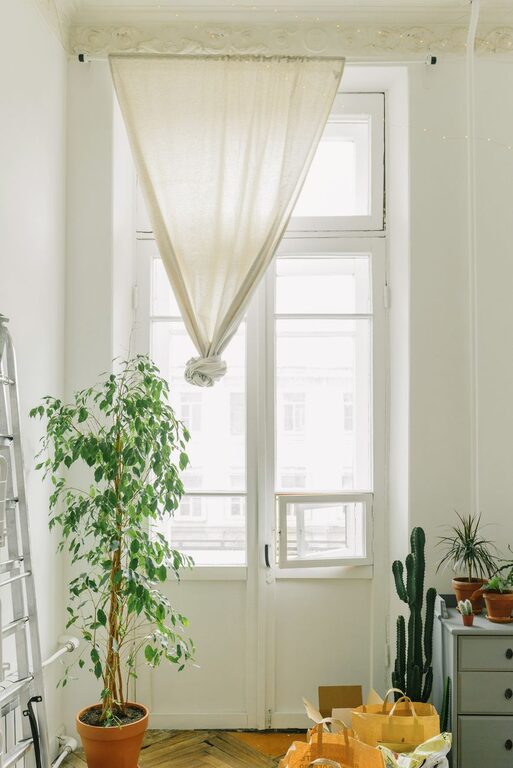
Plants can improve the balance of a room by filling empty vertical space. A tall plant in a simple pot can make a living room corner feel more intentional. Smaller plants can be grouped on shelves, side tables, or window ledges.
Try using different heights:
– Place a tall plant beside a sofa or cabinet.
– Set a medium-sized plant on a plant stand.
– Group small plants on a tray or shelf.
– Hang a trailing plant where its leaves can grow downward.
Using different levels creates a layered look and keeps the arrangement from appearing flat. Avoid placing every plant at the same height, as this can make a collection look crowded or repetitive.
Plant stands are especially useful when you want to raise a plant closer to a light source or highlight an attractive pot. They also make it easier to clean underneath the plant.
Refresh a Room With Containers
A new container can change the appearance of a plant and the room around it. You can create a clean, modern look with simple white, black, or neutral pots. For a warmer style, consider terracotta, woven baskets, or containers with natural textures.
When choosing containers, keep both appearance and function in mind. The pot should have enough space for the roots and, ideally, drainage holes. A decorative outer pot can be used to hide a basic nursery container, but remove the inner pot when watering so excess water can drain properly.
You can also coordinate pots with items already in the room. For example:
– Use ceramic pots to complement tableware or lamps.
– Choose woven baskets for rooms with wood furniture.
– Match a pot color to cushions, artwork, or curtains.
– Use one material throughout a group for a more unified look.
Do not feel that every pot must match. A small amount of variation can make the display feel relaxed and personal.
Create Small Plant Groupings
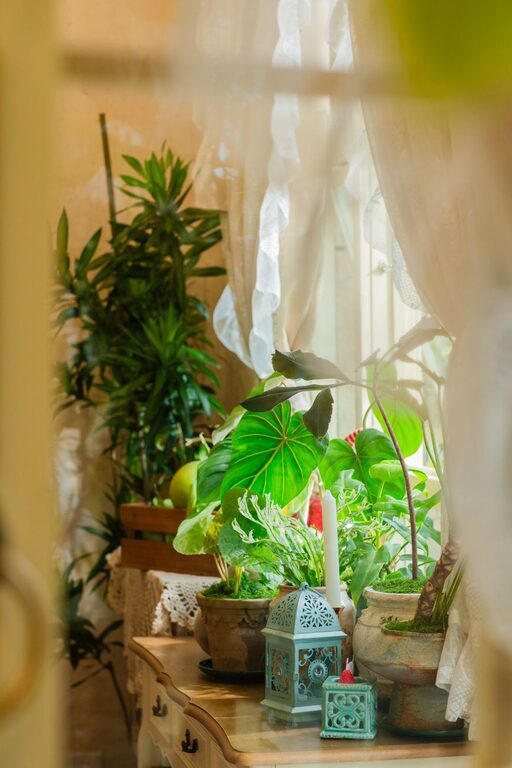
Several small plants can make a stronger visual impact when arranged together. Group plants with similar care needs on a tray or shelf. This makes watering easier and gives the collection a more organized appearance.
For a balanced grouping, combine:
– One plant with large leaves
– One plant with a different leaf shape
– One trailing plant
– Pots in two or three complementary colors
Leave a little space between containers so the plants have room to grow and the display does not feel crowded. You can also add a small decorative object, such as a book, bowl, or sculpture, but keep the focus on the plants.
A group of plants works well on a dining room sideboard, entryway table, kitchen shelf, or home office bookcase.
Bring Plants Into Unexpected Rooms
Plants are not limited to living rooms and bedrooms. Adding greenery to less decorative areas can make the whole home feel more connected.
In the kitchen, place herbs near a bright window or use a small plant to soften an open shelf. In the bathroom, choose plants that enjoy humidity, provided the room receives enough light. A small plant on a guest room nightstand can make the space feel more inviting.
An entryway is another useful location. A tall plant beside a console table can create a welcoming first impression. For narrow hallways, use wall-mounted planters or hanging containers instead of taking up floor space.
When placing plants in practical areas, make sure they do not block walkways, doors, outlets, or work surfaces.
Keep Care Simple and Consistent
A simple care routine will help your plants stay attractive. Check the soil before watering instead of following a fixed schedule. Many plants prefer the soil to dry slightly between waterings, while others need more consistent moisture.
Basic care may include:
– Checking soil moisture once or twice a week
– Removing yellow or damaged leaves
– Wiping dust from large leaves
– Rotating pots so plants grow evenly
– Trimming overly long or tangled stems
– Moving plants if they show signs of stress
Avoid placing plants directly beside heating vents, air conditioners, or drafty doors. Sudden temperature changes can affect their growth.
If you tend to forget watering, set a recurring reminder on your phone. Keeping a small watering can nearby can also make the routine easier.
Refresh Your Arrangement Seasonally
You do not need to buy new plants every season to create a fresh look. Simply changing their position can make a room feel different. Move a plant from a shelf to a table, switch a pot, or group plants in a new arrangement.
You can also update the surrounding decor. Add a light-colored pot in spring, a woven basket in summer, or a deeper-toned container during fall and winter. Even small changes can make your home feel renewed.
Take time to remove plants that are no longer thriving or that have outgrown their location. Healthy plants should have enough room, suitable light, and a container that supports their growth.
Make Your Home Feel More Natural
Refreshing your home with plants is less about following strict design rules and more about creating a space that feels comfortable and cared for. Choose plants that suit your light and lifestyle, use containers that complement your decor, and arrange greenery at different heights.
Start with one room or one empty corner. As you learn what works, you can gradually add more plants and adjust their placement. With a little attention and a simple routine, plants can bring color, texture, and a welcoming natural touch to nearly any home.
About the Author