A dark room can feel cozy, but it may also seem smaller, duller, or less inviting than you would like. The good news is that you do not need a major renovation to make it brighter. Small changes to lighting, wall color, furniture placement, and accessories can make a noticeable difference.
Whether you are updating a bedroom, living room, hallway, or home office, these simple ideas can help your space feel lighter and more comfortable.
Start With Better Lighting
The right lighting is often the quickest way to brighten a dark room. Instead of relying on one ceiling fixture, use several light sources at different heights.
Layer your lighting
A well-lit room usually includes three types of lighting:
– Ambient lighting: General light from ceiling fixtures, floor lamps, or wall lights
– Task lighting: Focused light for reading, working, cooking, or other activities
– Accent lighting: Decorative light that highlights artwork, shelves, or architectural details
Try combining a ceiling light with a table lamp, floor lamp, and small accent light. This creates a softer and more balanced effect than one bright bulb in the center of the room.
Choose warm, bright bulbs
Light bulb color can change the mood of a room. For a welcoming feel, choose soft white bulbs. If you want the room to look crisp and energetic, daylight bulbs may work well, especially in a home office or kitchen.
Check the brightness level before buying. A lamp with a shade that blocks too much light may need a brighter bulb, while a decorative lamp may work best with a softer glow. Always follow the fixture’s recommended bulb rating.
Use lamps with open designs
Lamps with clear, glass, or light fabric shades allow more light to spread throughout the room. If your current shades are dark or heavy, replacing them may make an immediate difference.
Floor lamps that direct light upward can also brighten the ceiling and make the room feel taller. Adjustable lamps are useful because you can aim the light toward a reading chair, work surface, or darker corner.
Make the Most of Natural Light
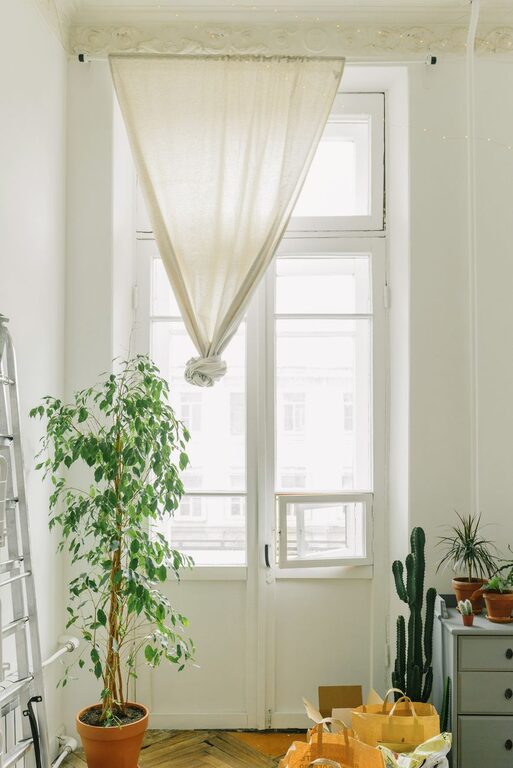
Even a small window can help a room feel more open. Keep the area around it as clear as possible so daylight can travel farther into the space.
Choose lightweight window coverings
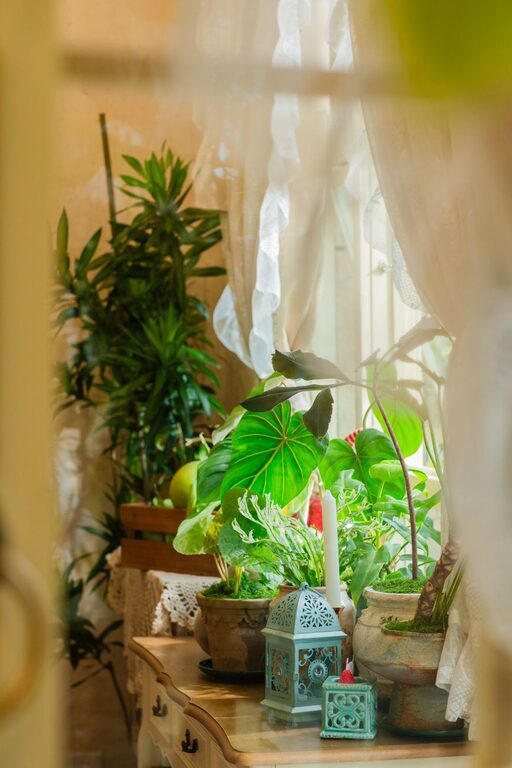
Heavy curtains and dark blinds can make a room feel closed in. Consider lightweight curtains in white, cream, or another pale color. Hang curtain rods slightly above the window frame and extend them beyond the sides. This makes the window appear larger while allowing more light to enter.
If privacy is important, try sheer curtains layered with adjustable shades. You can let in light during the day and add coverage when needed.
Keep windows clean
Dust and fingerprints can reduce the amount of light coming through a window. Cleaning the glass, frame, and nearby sill is a small task that can make the room look fresher and brighter.
Add Mirrors and Reflective Surfaces
Mirrors can make a dark room feel larger by reflecting light around the space. Place a mirror opposite or beside a window to spread natural light. You can also position one across from a lamp to create extra brightness in the evening.
A single large mirror often has a strong impact, but a group of smaller mirrors can add interest to a blank wall. Choose frames that match the room’s style without making the wall feel crowded.
Other reflective surfaces can help, too. Consider:
– Glass coffee tables
– Glossy picture frames
– Metallic lamp bases
– Mirrored trays
– Polished hardware
– Light-colored ceramic accessories
Use reflective pieces selectively. Too many shiny surfaces can make a room feel busy, while a few well-placed accents add brightness and depth.
Use Light Colors Strategically
You do not have to paint every wall bright white to make a room feel lighter. Soft neutrals, pale gray, light beige, and gentle blue can all reflect light while adding personality.
Brighten the walls
If the walls are dark, repainting them in a lighter shade can create one of the biggest changes. Choose a color with a slight warm or cool undertone based on the room’s existing furniture and flooring.
Before committing, test paint samples on different walls. Colors can look different throughout the day as the natural light changes.
Lighten the ceiling and trim
A light ceiling helps reflect both natural and artificial light. White or pale trim can also create a clean outline around the room. If you are not ready to repaint everything, focus on the ceiling, window trim, or one darker wall first.
Add color through accessories
A bright room does not have to be plain. Add color with cushions, artwork, a rug, or small decorative items. Choose a few cheerful shades rather than filling the room with many competing colors.
Lighten the Floor and Furniture
Dark floors and large, heavy furniture can absorb light and make a room feel smaller. You may not be able to replace flooring, but you can soften its effect.
Place a light-colored area rug over a dark floor to create a brighter visual base. Cream, beige, pale gray, or subtle patterns can work well in many styles.
If replacing furniture is not practical, consider lighter accessories or slipcovers. A pale throw blanket, light cushions, or a bright upholstered chair can break up a large dark sofa.
Furniture with exposed legs can also make the floor more visible and help the room feel less crowded. Whenever possible, leave a little space between furniture and the walls to improve the sense of openness.
Reduce Visual Clutter
A crowded room often looks darker because light has fewer clear surfaces to reflect from. Removing unnecessary items can make the space feel brighter without adding anything new.
Start by clearing surfaces such as:
– Coffee tables
– Window sills
– Desks
– Shelves
– Entryway consoles
Keep a few favorite items on display and store the rest. Use baskets, boxes, or closed cabinets to organize everyday objects. Open shelving can look attractive, but too many items may create a heavy appearance.
A simpler layout also helps light move through the room. Try shifting furniture away from windows and keeping walkways clear.
Brighten Dark Corners
Every room has a corner that receives less light. Instead of ignoring it, turn it into a useful feature.
Place a floor lamp beside a chair to create a reading spot. Add a small plant in a light-colored pot, or use a narrow shelf to display artwork and decorative objects. A softly lit cabinet or bookcase can also add warmth.
If the corner is very small, choose furniture with a slim profile. Avoid placing a large, dark piece in an already shadowy area.
Add Light, Airy Decor
Decorative details can change how bright a room feels. Choose materials and colors that look light without appearing sterile.
Good options include:
– Linen or cotton textiles
– Pale wood finishes
– Clear glass
– Woven baskets
– Light-colored artwork
– Green plants
– Simple white or neutral ceramics
Plants can bring life to a dark room, but choose varieties that suit the available light. If the space receives very little daylight, use a quality artificial plant instead of placing a live plant where it may struggle.
Make Small Changes First
You can brighten a room gradually without replacing everything at once. Begin with the changes that offer the most impact:
- Add a second or third light source.
- Replace heavy window coverings.
- Move furniture away from the window.
- Add a large mirror.
- Introduce a light rug or throw.
- Remove clutter from visible surfaces.
- Test a lighter wall color if the room still feels dim.
The best approach combines practical lighting with simple visual adjustments. By reflecting more light, reducing heavy elements, and choosing a few bright accents, you can make a dark room feel open, comfortable, and inviting.
About the Author