
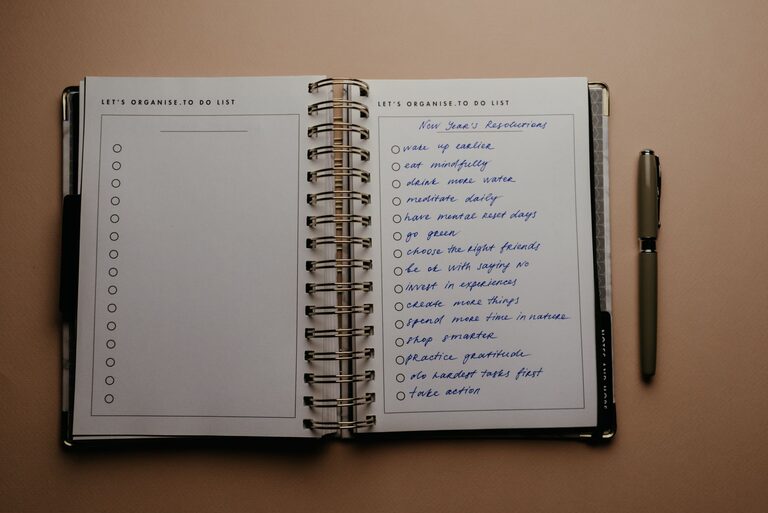
Building good habits is less about making dramatic changes and more about repeating small actions over time. Habit tracking can help you see your progress, understand what works, and stay focused when motivation fades.
A habit tracker does not need to be complicated. It can be a paper calendar, a notes app, a spreadsheet, or a dedicated tracking tool. The best method is the one you will use regularly.
Start With One Clear Habit
Many people struggle with consistency because they try to change too much at once. Starting with several ambitious habits can make your routine feel overwhelming.
Choose one habit that is:
– Specific
– Easy to understand
– Connected to an important goal
– Simple enough to repeat regularly
For example, “exercise more” is a broad intention. “Walk for 15 minutes after lunch” is easier to track because it explains exactly what to do and when to do it.
Other clear examples include:
– Read five pages before bed
– Write three lines in a journal
– Drink a glass of water after waking up
– Spend 10 minutes tidying one room
– Practice a skill for 15 minutes
A clear habit removes guesswork. When you know what counts as completion, it becomes easier to begin.
Choose the Right Tracking Method
A good tracking method should be visible, convenient, and quick. If tracking takes too much time, you may stop using it.
Paper Calendar
A calendar is a simple option. Mark an X, check mark, or sticker each time you complete the habit. Seeing a series of marks can create a sense of progress.
This method works well for habits you complete once a day, such as reading, stretching, or preparing for the next morning.
Notes App
A notes app is useful if you always have your phone nearby. You can create a checklist for each day or keep a short record of what you completed.
You might write:
– Monday: Walked for 15 minutes
– Tuesday: Walked for 20 minutes
– Wednesday: Rest day
– Thursday: Walked for 15 minutes
Adding a short note can help you notice patterns without creating a detailed journal.
Spreadsheet
A spreadsheet is helpful when you want to track several habits or review your progress over time. You can create columns for dates and rows for habits, then mark each completed action.
Spreadsheets also make it easier to review weekly totals and identify which habits need more support.
Habit Tracking App
An app may provide reminders, streaks, charts, and other features. These tools can be useful, but features should support your routine rather than distract from it.
Choose an app that feels simple and easy to check. A complicated system may become another task to manage.
Make the Habit Easy to Begin
The first step is often the hardest. Reduce the effort required to start by preparing your environment.
If you want to read more, place a book beside your bed. If you want to practice an instrument, keep it accessible. If you want to walk in the morning, prepare your clothes the night before.
You can also create a smaller version of the habit. Instead of committing to a long workout, begin with five minutes of movement. Instead of writing a full page, write one sentence.
The purpose of a small starting point is not to limit your progress. It is to make repetition easier. Once the habit feels familiar, you can increase the time or difficulty gradually.
Connect New Habits to Existing Routines
One of the easiest ways to remember a new habit is to connect it to something you already do.
This approach is sometimes called habit stacking. The format is simple:
> After I [existing routine], I will [new habit].
Examples include:
– After brushing my teeth, I will review my daily plan.
– After making coffee, I will read one page.
– After lunch, I will take a short walk.
– After closing my computer, I will tidy my workspace.
An existing routine acts as a reminder. Over time, the new action can become a natural part of the sequence.
Track Completion, Not Perfection
A habit tracker should provide useful information, not create pressure. Missing one day does not erase your progress.
Life includes busy days, schedule changes, travel, and unexpected responsibilities. A flexible system is more sustainable than one that requires perfect performance.
Instead of asking, “Did I maintain a perfect streak?” ask:
– How often did I complete the habit this week?
– What helped me follow through?
– What made the habit difficult?
– What adjustment would make tomorrow easier?
You can also use a minimum version for demanding days. For example, your regular goal might be a 30-minute workout, while the minimum version is five minutes of stretching. This keeps the routine active without requiring the same level of effort every day.
Review Your Progress Weekly
Daily tracking shows what happened. Weekly reviews help you understand why.
Set aside a few minutes once a week to look at your tracker. Notice patterns in your schedule, energy, location, and reminders.
Consider these questions:
– Which days were easiest?
– What time of day worked best?
– Did another routine help you remember?
– Were there repeated obstacles?
– Is the habit still connected to a meaningful goal?
Use your answers to make small changes. If an evening habit is often skipped, try moving it to the morning. If the habit requires too many steps, simplify the setup. If reminders are easy to ignore, place the cue somewhere more visible.
The goal of a review is improvement, not criticism.
Plan for Setbacks
Consistency does not mean never missing. It means returning to the habit after an interruption.
Before a problem occurs, create a simple recovery plan. Decide what you will do if you miss a day, have limited time, or cannot follow your usual routine.
For example:
– If I miss my morning walk, I will take a short walk after dinner.
– If I cannot complete the full task, I will do the minimum version.
– If I miss one day, I will restart at the next available opportunity.
– If my schedule changes, I will choose a temporary time for the habit.
Avoid turning one missed day into a longer break. A quick return keeps the interruption small and protects the routine you are building.
Focus on Trends Instead of Streaks
Streaks can be motivating, but they are not the only measure of progress. A streak may end even when you are becoming more consistent overall.
Look at broader trends, such as:
– The number of completed days each week
– The average time spent on the habit
– The number of times you recovered after missing
– Improvements in how easily you begin
– Changes in how often you need reminders
These measures provide a more complete view. A habit that happens four days each week for several months may be more useful than a short perfect streak followed by burnout.
Keep Your System Simple
The most effective habit tracker is one you can maintain. Avoid adding too many categories, colors, reminders, or rules.
A basic system may include only:
- The habit you want to track
- The date
- A check mark for completion
- A short weekly review
As your routine develops, you can add details if they are genuinely helpful. Otherwise, keep the process quick.
Habit tracking is not about collecting perfect data. It is about making your actions visible so you can make better decisions.
Build Consistency Through Small Adjustments
Staying consistent becomes easier when you treat habit building as an ongoing process. Choose a clear action, make it easy to begin, track it in a convenient way, and review your results regularly.
Expect occasional setbacks and prepare for them. Focus on returning rather than starting over. With time, small actions can become dependable parts of your daily routine.
The best habit system is not the most impressive one. It is the one that helps you take the next useful step, day after day.
About the Author